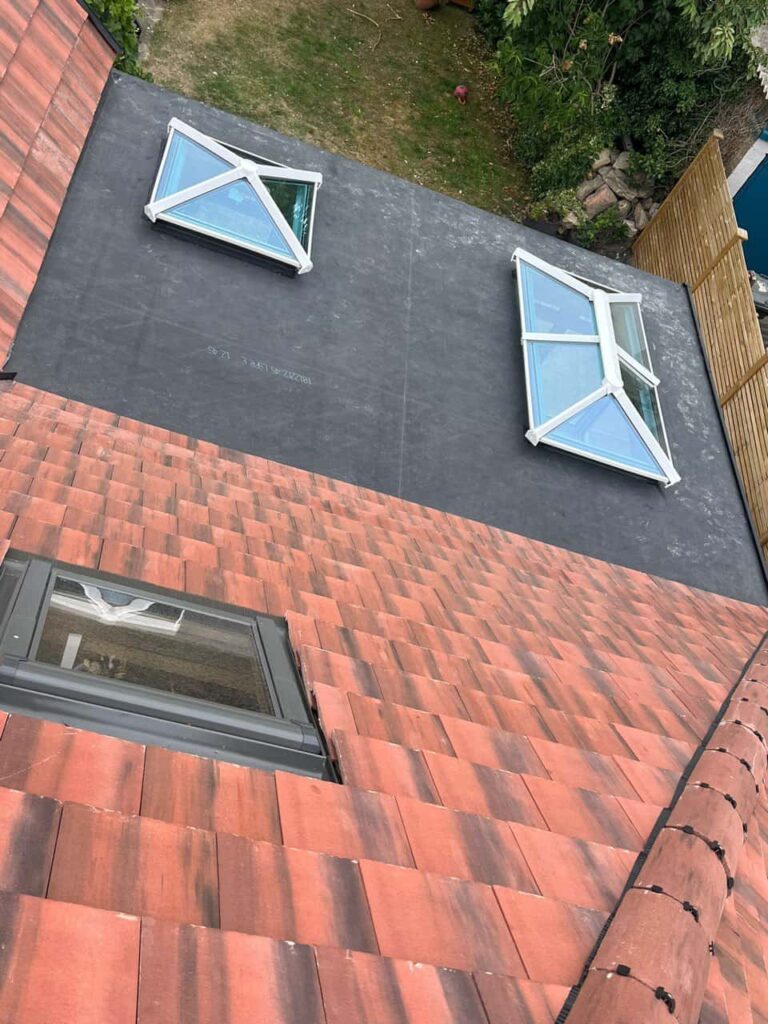
Roof leaks are often associated with broken tiles or ageing roofing materials, but in many cases the true cause lies in a less obvious area. Lead flashing plays a crucial role in protecting the most vulnerable points of a roof, yet it is frequently overlooked during routine inspections. When flashing begins to deteriorate or shift out of place, water can find its way into the structure without immediately obvious signs.
For homeowners in Rowley Regis, Staffordshire, understanding the importance of lead flashing and ensuring it is properly maintained can help prevent a wide range of roofing issues.
What Is Lead Flashing and Why Is It Important?
Lead flashing is a protective material installed around areas where the roof meets other structures, such as chimneys, walls, dormers or roof valleys. These junctions are naturally more exposed to water movement and require additional sealing to prevent rain from penetrating beneath the roofing materials.
Lead is widely used because of its flexibility, durability and resistance to weather exposure. When correctly installed, flashing creates a watertight barrier that directs water safely away from vulnerable joints in the roof.
Why Lead Flashing Problems Often Go Unnoticed
Unlike broken tiles or visible roof damage, issues with flashing are not always immediately apparent from ground level. Flashing sits along roof junctions and edges, meaning problems may develop gradually without attracting attention.
Small gaps, cracks or loose sections can allow water to seep beneath the roof covering. Over time, this moisture may travel through the roof structure and eventually appear as damp patches or leaks inside the property. By the time these signs become visible, the flashing may have been compromised for some time.
Common Causes of Lead Flashing Damage
Several factors can affect the condition of lead flashing over the years. Exposure to changing temperatures can cause expansion and contraction, which may gradually loosen the flashing from its original position. Wind, ageing mortar joints and general weathering can also contribute to movement or deterioration.
In some cases, flashing may not have been installed correctly during earlier roofing work, which can create weak points that allow water to penetrate.
Regular inspection helps identify these problems before they develop into more significant leaks.
How Faulty Flashing Leads to Roof Leaks
When flashing begins to fail, rainwater can pass through the gaps created between the flashing and surrounding materials. Because these areas are often positioned near structural elements such as chimneys or roof intersections, water may travel along hidden pathways within the roof structure.
This can make the source of the leak difficult to identify without professional assessment. Repairing the flashing restores the protective seal that prevents water from entering the roof.
The Value of Professional Lead Flashing Repairs
Repairing lead flashing requires careful workmanship to ensure the material is correctly shaped, secured and sealed. In many cases, damaged sections can be restored by repositioning the flashing, renewing mortar joints or replacing worn sections where necessary.
At Rowley Regis Roofing Repairs, lead flashing repairs in Rowley Regis, Staffordshire are carried out with careful inspection of the affected area. The aim is to restore the protective barrier that keeps vulnerable roof junctions watertight.
Protecting the Long-Term Performance of Your Roof
Lead flashing plays an essential role in the overall reliability of a roofing system. When properly maintained, it helps protect critical junctions where leaks are most likely to develop.
For properties in Rowley Regis, Staffordshire, ensuring that flashing remains in good condition can significantly reduce the risk of hidden water damage and help maintain the roof’s long-term performance.
Conclusion
Many roof leaks originate from areas that are not immediately visible, and lead flashing is often a key factor. When flashing becomes loose, cracked or worn, water can enter the roof structure and create problems that may take time to appear inside the property.
For homeowners in Rowley Regis, Staffordshire, regular inspection and timely repairs are essential for keeping these vulnerable areas protected. If you suspect that damaged flashing may be contributing to a roof leak, Rowley Regis Roofing Repairs can provide professional assessment and reliable lead flashing repairs to restore the security of your roof.
Call us on: 0121 312 1589
Click here to find out more about Rowley Regis Roofing Repairs
Click here to complete our contact form and see how we can help with your roofing needs.